
Cricket has dominated India’s sporting landscape for decades, attracting millions of fans, major sponsorship deals, and widespread television coverage. However, India’s sporting culture extends far beyond cricket. From traditional games such as kabaddi and kho-kho to internationally recognised sports such as football, badminton, hockey, and basketball, the country has developed a diverse and increasingly competitive sports ecosystem.
In recent years, Indian athletes have achieved significant success at the Olympic Games, Asian Games, Commonwealth Games, and international championships. These achievements have encouraged greater interest in sports that previously received less mainstream attention.
Professional leagues, improved training facilities, social media, and increased investment in grassroots development have also contributed to the growth of non-cricket sports across India.
Football has developed a substantial following, particularly among younger audiences and fans of international competitions. Kabaddi has transformed from a traditional rural sport into a professional entertainment product, while badminton has produced Olympic medallists and world champions.
Meanwhile, hockey, wrestling, boxing, athletics, and other disciplines continue to play important roles in India’s international sporting achievements.
This article explores the most popular sports in India besides cricket, examining their history, leading athletes, major competitions, and growing influence on the country’s sporting future.
Why Are Sports Besides Cricket Becoming More Popular in India?
India’s sporting landscape has changed considerably over the past two decades.
Although cricket remains the country’s most commercially successful sport, other disciplines are gaining visibility through professional competitions and international achievements.
One important factor is the emergence of successful Indian athletes.
Olympic medallists such as PV Sindhu, Neeraj Chopra, and Lovlina Borgohain have introduced new audiences to badminton, athletics, and boxing.
Another major factor is the growth of professional sports leagues.
Competitions such as the Indian Super League and Pro Kabaddi League have helped make football and kabaddi more accessible to television and digital audiences.
Government-supported sports development programmes, private academies, and corporate sponsorships have also created additional opportunities for young athletes.
India’s performances at the 2026 Asian Games demonstrated the country’s increasing competitiveness across multiple sports. The nation won 85 medals, including 21 gold, with strong contributions from athletics, shooting, archery, boxing, wrestling, and team sports.
These developments suggest that India’s sporting future will involve a wider range of disciplines.
1. Football – One of India’s Most Followed Sports
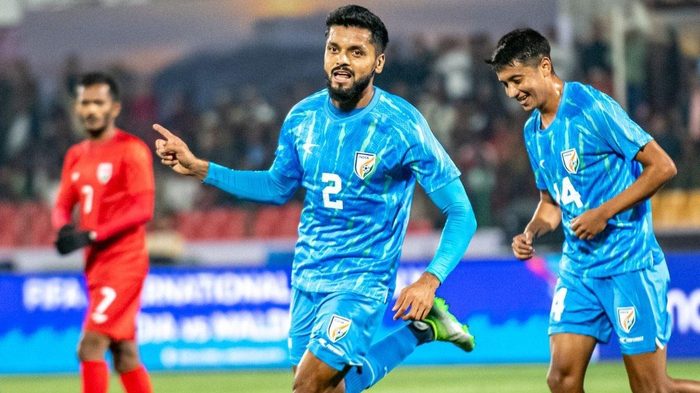
Football has become one of the most popular sports in India outside cricket.
The sport enjoys particularly strong support in states such as West Bengal, Kerala, Goa, and several northeastern regions.
Indian football has a long history, with established clubs, passionate supporters, and important domestic competitions.
However, football’s popularity has grown further through increased access to international leagues and tournaments.
The Influence of International Football
Competitions such as the English Premier League, UEFA Champions League, and FIFA World Cup attract considerable interest among Indian fans.
International clubs including Manchester United, Liverpool, Real Madrid, Barcelona, and Arsenal have developed large supporter communities across the country.
The popularity of global football has also encouraged young Indians to participate in local matches, school competitions, and football academies.
Research reported in 2026 identified football as India’s second-most-popular sport among adults after cricket, highlighting its expanding audience.
The Indian Super League
The Indian Super League (ISL) has played an important role in increasing the visibility of domestic football.
Clubs such as Mohun Bagan Super Giant, Bengaluru FC, Kerala Blasters, and FC Goa have developed recognisable identities and dedicated fan bases.
The competition has helped introduce professional football to wider audiences through broadcasting, sponsorship, and digital engagement.
However, the long-term development of Indian football also depends on financial sustainability, effective administration, and stronger connections between professional clubs and youth academies.
Famous Indian Football Players
Some of the most recognisable Indian footballers include Sunil Chhetri, Bhaichung Bhutia, Gurpreet Singh Sandhu, and Sandesh Jhingan.
These players have contributed to the sport’s visibility and inspired younger generations.
As football continues developing, India’s challenge is to translate domestic popularity into stronger international performances.
For more football news and tournament coverage, visit Dafabet Sports India.
2. Kabaddi – India’s Traditional Sporting Powerhouse
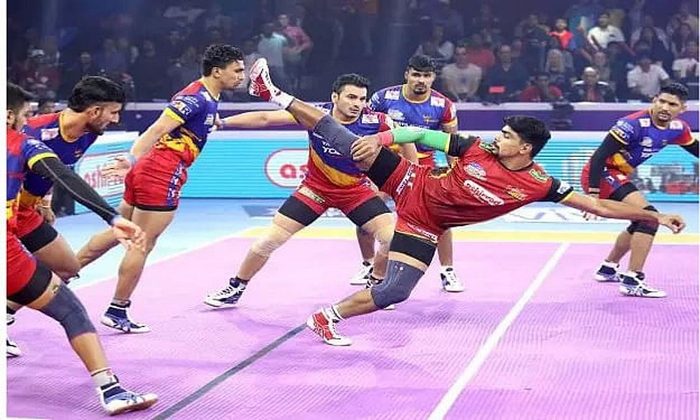
Kabaddi is one of India’s most recognisable traditional sports.
The game has deep cultural connections to rural communities and has been played in different forms across the country for generations.
Unlike many international sports, kabaddi requires relatively little equipment, making it accessible to communities with limited sporting infrastructure.
How Kabaddi Works
Kabaddi is played between two teams.
A player known as the raider enters the opposing team’s half and attempts to touch defenders before returning safely.
Defenders try to stop the raider through coordinated tackles.
The sport requires speed, strength, flexibility, tactical awareness, and teamwork.
The Impact of the Pro Kabaddi League
The launch of the Pro Kabaddi League in 2014 transformed the sport’s public profile.
Professional teams, televised matches, and recognisable players helped introduce kabaddi to new audiences.
The league also created commercial opportunities for athletes who previously had fewer professional career pathways.
Players such as Pardeep Narwal, Pawan Sehrawat, and Maninder Singh became widely recognised through their performances.
India’s International Kabaddi Success
India has historically been one of the strongest nations in international kabaddi.
At the 2026 Asian Games, India won gold medals in both the men’s and women’s kabaddi competitions.
These achievements reinforced the country’s status as a major international force in the sport.
Readers interested in the sport can explore the Kabaddi guide on Dafabet Sports India.
3. Badminton – A Major Success Story for Indian Athletes
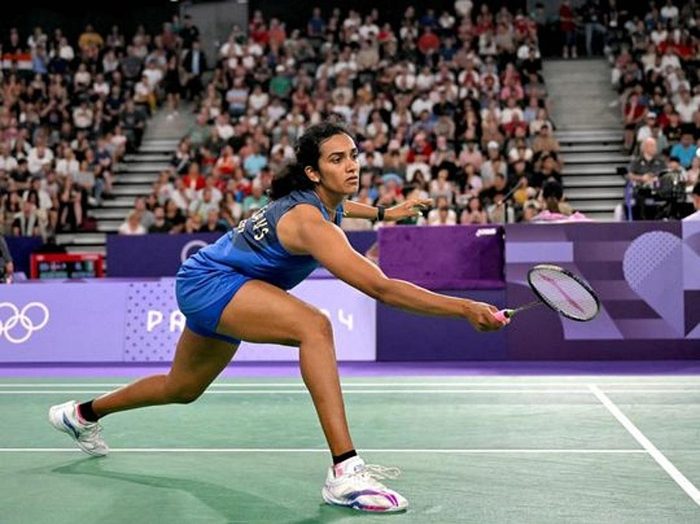
Badminton has experienced remarkable growth in India, particularly following the international achievements of leading players.
The sport is widely played in schools, clubs, residential communities, and professional training academies.
Its popularity has been supported by relatively accessible recreational facilities and the success of Indian players in major international tournaments.
PV Sindhu and Saina Nehwal
PV Sindhu and Saina Nehwal played major roles in transforming badminton’s reputation in India.
Saina Nehwal won bronze at the London 2012 Olympics, becoming India’s first Olympic badminton medallist.
PV Sindhu subsequently won silver at Rio 2016 and bronze at Tokyo 2020.
Sindhu also became the first Indian to win a BWF World Championships gold medal in 2019.
These achievements encouraged more young athletes to pursue badminton professionally.
India’s New Generation
Lakshya Sen, HS Prannoy, and Kidambi Srikanth have contributed to India’s competitiveness in men’s singles.
The doubles partnership of Satwiksairaj Rankireddy and Chirag Shetty has also achieved major international success.
Younger players such as Ayush Shetty, Unnati Hooda, and Tanvi Sharma represent promising developments for the future.
Why Badminton Continues Growing
Badminton offers opportunities for players across different age groups and skill levels.
Professional academies, school tournaments, and international competitions provide structured pathways for talented athletes.
The sport also benefits from increasing awareness of physical fitness and recreational activities.
For additional badminton coverage, visit the More Sports section of Dafabet Sports India.
4. Field Hockey – India’s Historic National Sporting Strength
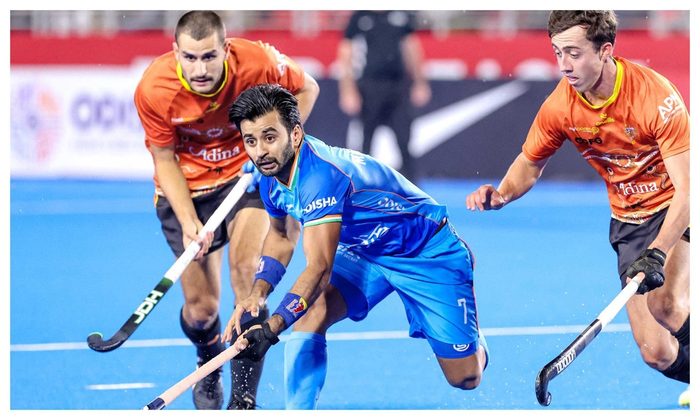
Field hockey occupies a special place in Indian sporting history.
India dominated international hockey during much of the twentieth century, winning multiple Olympic gold medals and establishing a reputation as one of the world’s leading hockey nations.
Although the sport later faced stronger international competition, Indian hockey has experienced renewed success in recent years.
India’s Olympic Hockey Legacy
India has won eight Olympic gold medals in men’s field hockey, making it one of the country’s most successful Olympic disciplines.
Legendary players such as Dhyan Chand helped establish India’s international reputation.
More recently, the Indian men’s team secured bronze medals at the Tokyo 2020 and Paris 2024 Olympic Games.
These achievements helped bring renewed attention to hockey.
The Growth of Women’s Hockey
Women’s hockey has also developed considerably.
The Indian women’s team has demonstrated improved competitiveness in international tournaments, attracting greater public interest and media coverage.
Investment in professional coaching, sports science, and youth development has supported this progress.
Hockey at the Asian Games 2026
India achieved notable success in hockey at the 2026 Asian Games, winning gold medals in both the men’s and women’s competitions.
The men’s team defeated Malaysia 5–1 in the final, highlighting its continued competitiveness at the continental level.
For fans interested in hockey competitions and related sporting content, Dafabet Sports India provides additional coverage.
5. Wrestling – A Sport with Deep Indian Roots
Wrestling has been part of India’s sporting traditions for centuries.
Traditional wrestling, commonly associated with kushti and local training centres known as akharas, remains culturally important in several regions.
Modern freestyle and Greco-Roman wrestling have also produced successful Indian athletes at international competitions.
India’s Wrestling Champions
Sushil Kumar, Yogeshwar Dutt, Sakshi Malik, and Bajrang Punia are among the athletes who have contributed to India’s international wrestling reputation.
Sakshi Malik made history by winning bronze at the Rio 2016 Olympics, becoming the first Indian female wrestler to win an Olympic medal.
Wrestling requires strength, endurance, technical precision, and tactical intelligence.
Why Wrestling Remains Popular
Wrestling benefits from strong grassroots traditions, particularly in states such as Haryana.
Local competitions, established coaching systems, and international achievements help maintain interest in the sport.
At the 2026 Asian Games, Indian wrestlers won six medals, including two gold medals.
These results reinforced wrestling’s importance within India’s broader sporting development.
6. Boxing – India’s Growing International Reputation
Boxing has become another important sport for India, particularly following success at Olympic and world championship events.
The sport combines physical conditioning, speed, defensive skills, and tactical awareness.
Famous Indian Boxers
Mary Kom is one of India’s most celebrated sporting figures.
Her achievements include multiple world championship titles and an Olympic bronze medal at London 2012.
Lovlina Borgohain also brought attention to Indian women’s boxing after winning bronze at the Tokyo Olympics.
Other athletes, including Nikhat Zareen, have demonstrated India’s growing competitiveness in international boxing.
Boxing Development in India
Professional training facilities, national championships, and international competitions have helped improve opportunities for young boxers.
Several Indian states have developed strong boxing programmes.
At the 2026 Asian Games, Indian boxers secured six medals, including three gold medals.
These achievements demonstrate boxing’s importance as a medal-producing discipline.
7. Athletics – The Neeraj Chopra Effect
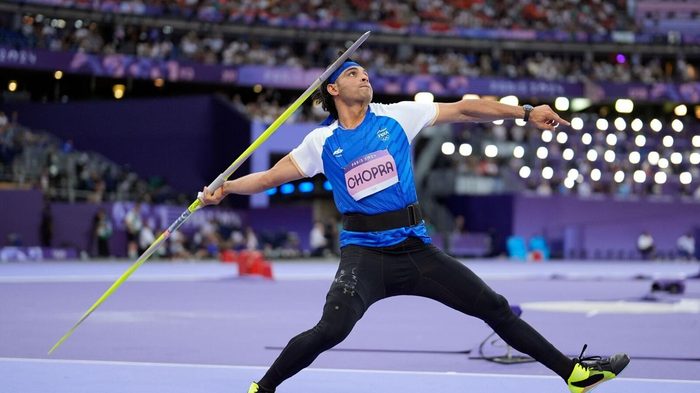
Athletics includes running, jumping, throwing, and combined events.
Although athletics has always been part of school and university sports in India, international achievements have significantly increased its public visibility.
Neeraj Chopra’s Influence
Neeraj Chopra became a national sporting icon after winning gold in the men’s javelin throw at the Tokyo Olympics.
His achievement marked an important milestone for Indian athletics.
Chopra subsequently continued competing successfully at major international events, helping increase interest in javelin throwing.
His success demonstrated that Indian athletes could challenge the world’s best in track-and-field competitions.
Other Indian Athletics Stars
Avinash Sable, Jyothi Yarraji, Murali Sreeshankar, and Parul Chaudhary are among the athletes who have helped increase India’s competitiveness.
Their performances have attracted attention to distance running, hurdles, and jumping events.
Athletics at the Asian Games
Athletics contributed 24 medals to India’s total at the 2026 Asian Games, making it the country’s largest medal-producing discipline at the tournament.
Continued investment in coaching, sports science, and international exposure could help Indian athletics develop further.
8. Tennis – A Sport with Strong International Recognition
Tennis has maintained a dedicated following in India for several decades.
Although participation is often concentrated in urban centres and established sporting clubs, international tournaments attract considerable interest.
India’s Tennis Legends
Leander Paes and Mahesh Bhupathi played major roles in establishing India’s international tennis reputation.
Their success in doubles competitions brought significant attention to the sport.
Sania Mirza later became one of India’s most recognisable female athletes through her achievements in women’s and mixed doubles.
Rohan Bopanna has also enjoyed a successful international doubles career.
Why Tennis Attracts Indian Fans
Grand Slam tournaments such as Wimbledon, the Australian Open, French Open, and US Open attract Indian audiences.
The popularity of international stars has also encouraged younger players to take up the sport.
However, tennis development requires access to quality courts, professional coaching, and financial support for international competition.
Expanding these opportunities could help India produce more successful singles and doubles players.
9. Basketball – An Emerging Urban Sport
Basketball is increasingly popular among students and young adults in Indian cities.
The sport is commonly played in schools, universities, recreational centres, and community courts.
The Influence of the NBA
The NBA has played an important role in increasing basketball’s visibility in India.
International stars such as LeBron James, Stephen Curry, and Kevin Durant have attracted younger audiences through television broadcasts, online highlights, and social media.
Basketball’s fast-paced style and relatively simple basic rules make it appealing to new fans.
Basketball Development in India
The Basketball Federation of India oversees important aspects of domestic basketball development.
National competitions and youth programmes provide opportunities for players to improve their skills.
However, the sport still faces challenges involving infrastructure, professional opportunities, and international competitiveness.
Improved coaching and stronger domestic competitions could support basketball’s long-term growth.
10. Kho-Kho – A Traditional Sport Finding New Audiences
Kho-kho is another traditional Indian sport experiencing increased attention.
The game requires speed, agility, teamwork, and quick decision-making.
Two teams compete in a format involving chasing and avoiding opponents.
Kho-kho has historically been popular in schools and rural communities because it requires relatively limited equipment.
Professionalisation of Kho-Kho
Organised competitions and professional league initiatives have helped introduce kho-kho to wider audiences.
The Ultimate Kho Kho league has been one example of efforts to modernise the presentation of the sport.
India’s success in international kho-kho competitions has also contributed to greater recognition.
Why Kho-Kho Has Growth Potential
Kho-kho is accessible, inexpensive to play, and suitable for school-level participation.
These characteristics make it valuable for grassroots sports development.
With stronger broadcasting partnerships, sponsorships, and coaching programmes, kho-kho could continue expanding beyond its traditional audience.
Other Emerging Sports in India
India’s sporting development is not limited to the ten disciplines discussed above.
Several additional sports are attracting interest.
Shooting and Archery
Shooting and archery have become important international medal opportunities for India.
Indian athletes have achieved success in both disciplines at Asian Games, world championships, and other international competitions.
At the 2026 Asian Games, shooting contributed 15 medals, while archery added nine.
Table Tennis and Squash
Table tennis and squash have developed competitive Indian athletes capable of challenging international opponents.
Players such as Manika Batra and Sreeja Akula have contributed to the visibility of table tennis.
Squash has also produced internationally recognised competitors, including Saurav Ghosal and Joshna Chinappa.
Esports
Competitive gaming is becoming increasingly visible among younger Indian audiences.
Professional esports tournaments, online streaming, and organised teams have created opportunities for talented players.
Popular competitive gaming genres include tactical shooters, multiplayer battle arenas, and mobile esports.
The long-term development of esports in India will depend on professional infrastructure, player development, and sustainable competitions.
Which Sports Are Most Popular in India Besides Cricket?
Popularity can be measured in different ways, including television audiences, participation, social media engagement, and international achievements.
The following table summarises several prominent sports and the factors contributing to their popularity.
| Sport | Main Reasons for Popularity |
| Football | International leagues, domestic clubs, passionate supporters |
| Kabaddi | Traditional roots, Pro Kabaddi League, international success |
| Badminton | Olympic medals, successful Indian players, accessibility |
| Field hockey | Historic achievements, Olympic success, national teams |
| Wrestling | Traditional culture, Olympic medallists, grassroots participation |
| Boxing | International champions, Olympic medals |
| Athletics | Neeraj Chopra, Asian Games performances |
| Tennis | Grand Slam coverage, famous Indian doubles players |
| Basketball | NBA popularity, school and university participation |
| Kho-kho | Traditional appeal, professional competitions |
This table is a qualitative overview rather than a verified numerical popularity ranking. Different sports may rank higher or lower depending on the audience and measurement method.
How Professional Leagues Are Changing Indian Sports
Professional leagues have played an important role in transforming India’s sporting landscape.
They create opportunities for athletes to earn a living, attract sponsorship, and gain greater public recognition.
The Indian Super League introduced a professional club-focused structure to a wider football audience.
The Pro Kabaddi League demonstrated that traditional Indian sports could become successful television entertainment products.
Other competitions have attempted to develop similar opportunities in tennis, badminton, basketball, and traditional sports.
However, professionalisation also creates challenges.
Leagues require sustainable funding, reliable administration, competitive balance, and long-term development strategies.
Successful professional competitions should also support grassroots participation rather than focusing exclusively on entertainment.
The Future of Sports in India Beyond Cricket
India has significant potential to become more competitive across a broader range of international sports.
The country’s large population provides an extensive talent pool, but identifying and developing athletes requires structured investment.
Grassroots Development
Schools and community sports programmes are essential for introducing children to different disciplines.
Early participation allows young athletes to discover their interests and develop fundamental skills.
Better Training Infrastructure
High-quality facilities, experienced coaches, and access to sports science can improve performance.
This is particularly important in technical disciplines such as athletics, shooting, and swimming.
Increased Support for Women’s Sports
Women’s participation is another important area for development.
Successful athletes such as PV Sindhu, Mary Kom, and Mirabai Chanu have demonstrated the potential of Indian women in international competitions.
Greater access to coaching, facilities, and professional opportunities could encourage more girls to pursue sport.
International Exposure
Competing against strong international opponents helps athletes improve their skills and tactical understanding.
Regular participation in international tournaments is therefore essential for long-term progress.
India’s sporting future will depend on creating opportunities across different disciplines rather than relying exclusively on cricket.
Conclusion
Although cricket remains India’s dominant sport, the country’s sporting culture is becoming increasingly diverse.
Football has developed a passionate following, kabaddi has transformed into a professional spectator sport, and badminton continues producing internationally competitive athletes.
Field hockey, wrestling, boxing, and athletics remain important sources of international achievements, while basketball, kho-kho, and esports are introducing new audiences to different sporting experiences.
India’s performance at major international competitions demonstrates the value of supporting multiple sports.
Continued investment in grassroots programmes, coaching, professional leagues, and sports infrastructure could help India develop an even stronger sporting identity.
For more sports news, tournament updates, and coverage of India’s leading athletes, explore Dafabet Sports India and its More Sports section.