




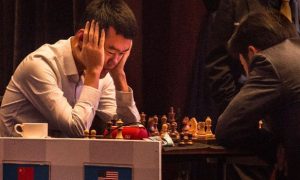




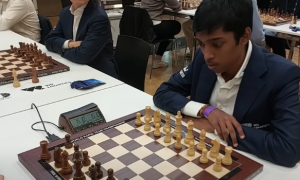
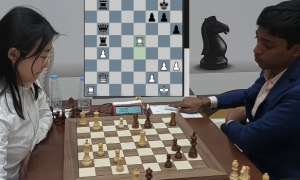




Chess has moved from being a purely traditional board game to a globally followed competitive sport. In India, its rapid growth—driven by elite players, online viewership, and international tournaments—has led to chess being discussed within the wider sports betting and analytical ecosystem.
This page provides an educational overview of chess betting in India. It explains how chess fits into betting-related discussions, how professional chess works, what the legal landscape looks like, and why responsible awareness is essential when chess is viewed alongside other betting markets.
This content is intended to inform and contextualize, not to promote or encourage betting activity.
Chess Betting and the Growing Sports Betting Ecosystem in India
India’s sports betting conversations have expanded beyond traditional sports such as cricket and football. As viewership diversifies, chess has gained attention due to its structured competitions, international governance, and detailed performance data.
Chess tournaments are now widely streamed and analyzed, making them part of broader sports discussions where outcomes, player form, and competitive dynamics are examined. This visibility has naturally placed chess within betting-related conversations, even though the game itself remains rooted in skill, discipline, and strategy.
Why Chess Appears in Sports Betting Analysis and Market Discussions
Chess is frequently referenced in betting-related analysis because it offers:
- Clearly defined rules and formats
- Internationally ranked players
- Publicly available performance data
- Long-term statistical consistency
Unlike many physical sports, chess outcomes are less affected by environmental factors and more influenced by preparation and decision-making. This makes chess easier to analyze from a data perspective, although outcomes are never guaranteed.
Chess as a Skill-Based Game in the Betting Context
Chess is globally acknowledged as one of the most skill-intensive competitive games. Unlike activities driven by randomness or chance, chess outcomes are shaped primarily by a player’s knowledge, preparation, experience, and decision-making ability. This is why chess is frequently referenced in discussions around skill-based games within betting and analytical sports contexts, particularly in India.
At the professional level, chess is governed by standardized rules, international rating systems, and regulated tournament structures. Players compete under identical conditions, with no hidden information or external randomness influencing the board. Every move is a direct result of a conscious decision, making chess fundamentally different from chance-based activities.
Because of this structure, chess lends itself well to performance analysis, historical data review, and comparative evaluation—key reasons it is often included in broader sports betting discussions.
Skill Factors That Shape Chess Betting Outcomes
Chess results are influenced by multiple overlapping skill factors, each contributing to overall performance:
Strategic Understanding
Strategic skill determines how well a player understands long-term planning. This includes piece coordination, pawn structure management, positional advantages, and recognizing when to shift between defense and attack. Strong strategic players consistently make decisions that improve their position over time, even without immediate tactical gains.
Tactical Calculation
Tactics involve calculating short-term sequences of moves, often involving sacrifices or forced lines. High-level chess requires accurate calculation several moves ahead. One tactical oversight can completely change the course of a game, making this skill a critical determinant of match outcomes.
Opening Preparation
Professional players invest significant time studying opening theory. Preparation allows players to enter the middlegame with comfortable positions, saved time on the clock, and familiarity with resulting structures. Well-prepared openings can provide an early advantage or neutralize an opponent’s strengths.
Endgame Technique
Endgames test precision and patience. Many professional games reach simplified positions where only a few pieces remain. Strong endgame technique allows players to convert small advantages into wins or hold difficult positions under pressure.
Psychological Resilience
Mental strength plays a crucial role in chess. Players must manage stress, recover from mistakes, and maintain focus for long periods. Confidence, emotional control, and the ability to perform under pressure often separate elite players from the rest.
Professional chess players spend years refining these skills through structured training, competitive experience, and continuous analysis against elite opposition.
Why Skill-Based Games Still Carry Betting Risk
While chess is clearly skill-based, it is important to understand that skill does not eliminate risk, especially when outcomes are viewed through a betting lens.
Human Error Is Unavoidable
Even the strongest players make mistakes. A single miscalculation or oversight can reverse the outcome of an otherwise well-played game.
Time Pressure Influences Decisions
Faster formats such as rapid and blitz chess significantly increase error rates. Limited thinking time forces intuitive decisions, increasing unpredictability even among top-ranked players.
Fatigue and Stress Affect Performance
Professional tournaments often last several days. Physical fatigue, mental exhaustion, and emotional pressure can impact concentration and decision-making, especially in critical rounds.
Match Context Matters
Tournament standings, must-win situations, or risk-averse strategies can influence how players approach games, leading to unexpected results.
As a result, while skill reduces randomness, it does not remove uncertainty. This distinction is essential in any betting-related discussion involving chess. Understanding both the depth of skill and the limits of predictability allows for a more realistic and responsible view of chess outcomes.
Legal Overview of Chess Betting and Skill-Based Wagering in India
The legal status of chess betting and other skill-based wagering activities in India is shaped by a combination of historical legislation, judicial interpretation, and state-level regulation. Unlike many countries with centralized gambling laws, India follows a fragmented legal approach, making awareness and understanding especially important.
This section provides a general informational overview of how chess is viewed within India’s legal framework when discussed in betting-related contexts.
National Laws Affecting Chess Betting in India
India does not have a single, unified law that comprehensively regulates online betting or wagering across all states. Instead, the legal environment has evolved through a mix of colonial-era legislation and modern court rulings.
Key legal influences include:
The Public Gambling Act of 1867
The Public Gambling Act is one of India’s oldest gambling-related laws. It was enacted long before the internet or online platforms existed and primarily targets physical gambling houses. The Act does not clearly define or regulate online betting, which has led to legal ambiguity in the digital era.
Because of its age and limited scope, the Act is often interpreted alongside modern judicial decisions rather than applied directly to online activities.
Judicial Interpretations by Indian Courts
Indian courts have played a significant role in shaping how betting and gaming are understood today. Over multiple rulings, courts have consistently emphasized the importance of distinguishing between:
- Games of skill
- Games of chance
This distinction has become the foundation for how many gaming-related activities are legally evaluated in India.
Skill vs Chance Distinction
A game is generally considered skill-based if the outcome is predominantly determined by a player’s knowledge, experience, training, and decision-making rather than randomness. Courts have repeatedly ruled that skill-based games fall outside the traditional definition of gambling.
Chess is frequently cited in legal and academic discussions as a classic example of a skill-based game, as every outcome results from conscious decisions made by the players.
It is important to note, however, that recognition of chess as a skill-based game does not automatically legalize all forms of betting associated with it. The legal treatment depends on how wagering is structured and regulated.
State-Level Regulations and Chess Betting Considerations
While judicial rulings provide general guidance, state governments in India retain significant authority over betting and gaming regulation. This results in notable differences across regions.
Key points to understand include:
Independent State Regulation
Each Indian state has the power to:
- Permit
- Regulate
- Restrict
- Or prohibit
betting-related activities within its jurisdiction. This applies to both offline and online formats, depending on state-specific laws and policies.
Variation in Online Wagering Laws
Some states have adopted more flexible approaches to skill-based gaming, while others maintain strict restrictions on wagering activities, regardless of skill classification. As a result:
- Legal acceptance may differ by location
- Platforms may operate under different compliance models
- Access and availability can vary across states
Location-Based Legal Interpretation
Because online activity crosses borders, determining legal jurisdiction can be complex. In many cases, the user’s physical location plays a key role in how laws are applied.
This makes it essential for individuals to be aware of:
- Their state’s gaming laws
- Any updates or amendments
- Regulatory guidance issued by local authorities
Importance of Legal Awareness in Chess Betting Discussions
The fragmented nature of India’s legal framework means that general awareness is critical when chess is discussed in a betting-related context. Even though chess is recognized as a skill-based game, betting-related activities are still subject to regulatory oversight.
This page is intended solely for educational and informational purposes. It does not provide legal advice, interpretations, or recommendations. Individuals seeking clarity should consult official government notifications or qualified legal professionals familiar with state-specific regulations.
How Professional Chess Matches Impact Betting Analysis
Professional chess is governed by international bodies such as FIDE and follows strict regulations. Matches are played under controlled conditions, with anti-cheating measures and standardized rules.
Because professional chess is structured and regulated, its results are often included in analytical sports discussions that examine form, preparation, and performance trends.
Chess Time Formats and Their Relevance to Betting Outcomes
Professional chess is played in multiple formats, each affecting outcomes differently:
Classical Chess
- Long time controls
- Deep strategic focus
- Lower error rates
Rapid Chess
- Faster pace
- Greater emphasis on intuition
- Increased unpredictability
Blitz Chess
- Very short time limits
- High-pressure decision-making
- Higher chance of mistakes
Understanding these formats is essential when evaluating match results in a betting context.
Tournament Structures and Their Role in Chess Betting Evaluation
Chess tournaments follow structured formats such as:
- Round-robin events
- Swiss-system tournaments
- Knockout competitions
Each format influences player strategy and risk tolerance. For example, knockout matches may encourage cautious play, while round-robin formats reward consistency.
Chess Ratings, Rankings, and Their Importance in Betting Analysis
In professional chess, ratings and rankings play a central role in evaluating player strength and competitive balance. Within betting-related analysis, these metrics are often used to assess relative performance levels, historical consistency, and long-term trends. However, while ratings provide valuable insight, they should always be understood as analytical tools rather than guarantees of outcomes.
Chess ratings and titles help contextualize matches, especially when comparing players from different regions, tournaments, or competitive backgrounds.
Understanding Elo Ratings in a Chess Betting Context
The Elo rating system is the most widely used method for measuring chess player strength. Developed to quantify relative performance, Elo ratings adjust dynamically based on:
- Match results
- Rating difference between opponents
- Expected versus actual performance
In simple terms, when a higher-rated player defeats a lower-rated opponent, only a small number of rating points are exchanged. When an upset occurs, rating adjustments are more significant. Over time, this system creates a statistically reliable picture of player strength.
Why Elo Ratings Matter in Analysis
In betting-related discussions, Elo ratings are often referenced because they:
- Provide a standardized comparison across players
- Reflect long-term performance consistency
- Adjust for opponent strength rather than raw win-loss records
Higher-rated players generally perform better over extended periods, especially in classical formats where skill advantages have more time to manifest.
Limitations of Elo Ratings
Despite their usefulness, Elo ratings have important limitations:
- They do not account for short-term form fluctuations
- They may not fully reflect strength across different formats (classical vs blitz)
- They cannot measure psychological or physical condition on a given day
As a result, Elo ratings indicate probability, not certainty. A lower-rated player can and does defeat higher-rated opponents, particularly in faster time controls or high-pressure situations.
Player Titles and Experience in Betting Evaluation
Chess titles awarded by international governing bodies provide additional context beyond numerical ratings. Titles reflect sustained elite performance across multiple events and competitive conditions.
Common titles include:
- Grandmaster (GM) – the highest title in chess, indicating world-class strength
- International Master (IM) – a high-level title earned through strong international results
- FIDE Master (FM) – representing advanced competitive achievement
Role of Experience in Match Analysis
Players with international titles typically possess:
- Extensive tournament experience
- Familiarity with high-pressure situations
- Strong preparation routines
- Experience against diverse playing styles
These factors contribute to consistency over long tournaments and help explain why titled players often perform well in structured events.
Why Titles Do Not Guarantee Outcomes
While titles indicate proven ability, they do not ensure results in individual matches. Several factors limit their predictive power:
- Chess performance varies by format
- Younger or lower-titled players may be rapidly improving
- One-game matches increase volatility
- External factors such as fatigue or time pressure can affect anyone
In betting-related evaluation, titles are best viewed as contextual indicators, not decisive predictors.
Ratings, Rankings, and Realistic Expectations
When chess is analyzed within a betting framework, ratings and titles should be combined with:
- Recent performance trends
- Tournament format
- Time control
- Match importance
Relying solely on rankings or titles can oversimplify a complex competitive environment. Chess remains a human contest where preparation, mindset, and execution on the day all play decisive roles.
Understanding both the value and the limits of ratings helps create a more balanced and realistic view of chess outcomes.
Key Factors That Influence Chess Betting Results
While chess is a skill-based game, multiple variables can influence match outcomes, making results less predictable than ratings or titles alone might suggest. In a betting-related context, understanding these factors is critical for analysis and realistic expectations. Even elite players can be affected by situational, psychological, and strategic elements that create uncertainty.
Opening Preparation Depth
The depth of a player’s opening preparation can significantly shape early-game positions. Strong opening preparation allows players to:
- Enter middlegame positions with familiar structures
- Reduce the likelihood of early mistakes
- Gain psychological confidence against opponents
However, reliance on preparation also carries risk. If an opponent deviates from expected lines or successfully “prepares a novelty,” even well-prepared players may face unexpected challenges. For betting analysis, openings indicate potential advantage but do not guarantee victory.
Familiarity with Opponent Style
Each player has a unique style—aggressive, defensive, tactical, or positional. Understanding an opponent’s tendencies can provide strategic insights, such as:
- Predicting likely openings or responses
- Identifying weaknesses in specific positions
- Preparing targeted strategies
Lack of familiarity or incorrect assumptions about an opponent can lead to mistakes, upsets, and swings in performance.
Psychological Confidence
Mental state plays a pivotal role in chess outcomes. Confidence, focus, and emotional control can affect decision-making throughout a match. Players under pressure or experiencing low confidence may:
- Make unnecessary risks
- Miss tactical opportunities
- Struggle to maintain consistency
In betting analysis, psychological factors are less quantifiable than ratings but can influence short-term performance, particularly in high-stakes games.
Physical and Mental Stamina
Chess tournaments often involve multiple rounds over consecutive days, sometimes with long playing sessions. Fatigue can reduce concentration, slow calculation, and increase errors. Physical health, sleep quality, and general wellness can subtly—but significantly—affect performance.
For betting analysis, stamina is a critical factor, especially in longer classical games or multi-day events where cumulative fatigue may impact results.
Time Management
Time pressure is a consistent source of uncertainty. Players must balance deep calculation with the clock, especially in rapid and blitz formats. Poor time management can lead to:
- Rushed decisions
- Oversights in complex positions
- Losses despite material or positional advantage
Time control type (classical, rapid, blitz) often directly affects unpredictability and is a key consideration for outcome analysis.
Tournament Pressure and Context
The importance of a specific game within a tournament can influence a player’s approach. For instance:
- Must-win situations may lead to riskier play
- Early leads may encourage conservative strategies
- Knockout formats may increase pressure compared to round-robin systems
Tournament context shapes decision-making, influencing both risk-taking and defensive strategies, which can lead to unexpected results even for top-rated players.
Combined Impact of Factors
No single factor fully determines the outcome of a chess match. Rather, it is the interaction of skill, preparation, psychology, stamina, time management, and tournament context that creates uncertainty. Even highly rated and titled players can lose under specific conditions, which is why chess, despite being skill-based, remains unpredictable in betting-related discussions.
Understanding these key factors provides a more realistic framework for analysis, emphasizing that while skill gives players a measurable advantage, uncertainty remains a natural and unavoidable part of competitive chess.
Responsible Approach to Chess Betting and Risk Awareness
Financial and Psychological Risks in Chess Betting
All betting-related activity involves risk, including:
- Potential financial loss
- Emotional decision-making
- Overconfidence in predictions
Skill-based games do not eliminate these risks.
Importance of Responsible Decision-Making in Betting on Chess
Responsible awareness includes:
- Understanding uncertainty
- Avoiding emotional or impulsive choices
- Recognizing that no outcome is guaranteed
For many, chess is best enjoyed as a competitive sport and intellectual pursuit rather than a financial activity.
Chess Betting Interest in India’s Expanding Competitive Sports Market
India’s rise as a global chess powerhouse has increased interest in:
- International tournaments
- Player rivalries
- Competitive formats
This growth has positioned chess within India’s broader sports market discussions, including analytical and betting-related contexts.
Watching and Analyzing Chess Through a Betting Lens
Many audiences follow chess by:
- Studying professional games
- Watching live tournaments
- Analyzing player strategies
- Tracking performance trends
These activities deepen understanding of the sport, regardless of whether financial stakes are involved.