
Football has experienced significant changes in India over the past few decades. While cricket continues to dominate the country’s sporting landscape, football has developed a passionate following, supported by historic clubs, professional competitions, international tournaments, and growing participation among younger generations.
From the football-loving communities of West Bengal and Kerala to the emerging academies of Mumbai, Bengaluru, and northeastern India, the sport has established a presence across different regions. Millions of Indian fans follow domestic football alongside international competitions such as the English Premier League, UEFA Champions League, and FIFA World Cup.
The introduction of the Indian Super League (ISL) in 2014 marked an important milestone in the modern development of Indian football. The competition brought greater commercial attention, professional presentation, and international exposure to domestic clubs and players.
However, the growth of football in India is not simply about professional leagues. Grassroots academies, youth tournaments, women’s football, digital broadcasting, and school-level participation are equally important to the sport’s future.
Despite increasing interest, Indian football continues to face challenges involving infrastructure, funding, administration, youth development, and international competitiveness.
Understanding these opportunities and challenges provides valuable insight into how football is evolving across the country.
This article explores the history of Indian football, the factors driving its popularity, the influence of professional leagues, and the developments that could shape its future beyond 2026.
The History of Football in India
Football has a long history in India, dating back to the nineteenth century when the sport was introduced during British colonial rule.
Over time, football became particularly popular in cities such as Kolkata, where organised competitions and clubs helped establish a strong sporting culture.
The Early Development of Indian Football
One of the most important moments in Indian football history came in 1911, when Mohun Bagan defeated the East Yorkshire Regiment to win the IFA Shield.
The victory carried significance beyond sport because an Indian club had defeated a British military team during the colonial period.
Mohun Bagan subsequently became one of the country’s most historically important football institutions.
Other established clubs, including East Bengal and Mohammedan Sporting, contributed to Kolkata’s reputation as a major centre of Indian football.
These clubs developed passionate supporter communities and helped establish domestic rivalries that continue to influence the sport.
India’s Golden Era of Football
Indian football enjoyed considerable international success during the 1950s and early 1960s.
Under influential coach Syed Abdul Rahim, the national team achieved several important results.
India won gold medals at the 1951 and 1962 Asian Games and finished fourth at the 1956 Melbourne Olympics.
The 1956 performance remains one of India’s most significant achievements in international football.
During this period, players such as Chuni Goswami, PK Banerjee, and Tulsidas Balaram became celebrated sporting figures.
Their achievements demonstrated that India could compete successfully against strong international opponents.
Challenges After the Golden Era
Despite early success, Indian football struggled to maintain the same international competitiveness in subsequent decades.
Limited infrastructure, inconsistent youth development, and financial challenges affected progress.
Meanwhile, football continued developing rapidly in other Asian countries, increasing the competitive gap.
The emergence of professional leagues and structured football academies in more recent years represents an effort to address these long-standing challenges.
The Indian Super League and Its Impact on Football Growth
The Indian Super League has been one of the most influential developments in modern Indian football.
Established in 2014, the ISL introduced a new approach to professional football, combining club competition with broadcasting, commercial partnerships, and international player recruitment.
How the ISL Increased Football’s Popularity
Before the ISL, Indian football already had established domestic competitions, but professional football struggled to attract consistent nationwide attention.
The ISL helped introduce domestic matches to audiences who previously followed primarily European football.
Improved television production, club branding, and social media campaigns contributed to greater visibility.
The competition also encouraged the development of football communities around clubs such as Kerala Blasters, Bengaluru FC, FC Goa, Mumbai City FC, and Mohun Bagan Super Giant.
For supporters, the league created more opportunities to watch Indian players compete in professional environments.
The 2026–27 Indian Super League Season
The 2026–27 season began on October 10, 2026, following a period of uncertainty surrounding the competition’s commercial structure.
A major development was the introduction of a club-led commercial model, under which participating clubs assumed responsibility for commercial operations while the All India Football Federation retained regulatory oversight.
The opening fixtures included Bengaluru FC against Sporting Club Delhi and FC Goa against Chennaiyin FC.
The restructuring represents an important test for the long-term sustainability of professional football in India.
A stable competition calendar, reliable broadcasting arrangements, and stronger commercial partnerships could help clubs invest more confidently in players and academies.
Why Professional Leagues Matter
Professional leagues create opportunities for Indian footballers to develop their skills against experienced opponents.
They also provide structured environments where players can improve their fitness, tactical understanding, and decision-making.
However, professional competitions must be financially sustainable.
Clubs need reliable revenue from sponsorships, broadcasting, ticket sales, and commercial partnerships to maintain competitive squads and youth development programmes.
The success of the ISL will therefore depend on more than short-term audience figures.
It must establish a stable foundation capable of supporting Indian football over several decades.
Football’s Popularity Across Different Indian States
Football’s popularity varies considerably across India.
Some regions have followed the sport for generations, while others have experienced more recent growth.
West Bengal: The Heart of Indian Club Football
West Bengal, particularly Kolkata, has one of India’s strongest football traditions.
Historic clubs such as Mohun Bagan and East Bengal have developed passionate supporter communities.
The Kolkata Derby remains one of the country’s most famous football rivalries.
Matches between these clubs attract attention because of their history, cultural significance, and competitive intensity.
Kerala: A Passionate Football Culture
Kerala has developed a reputation for enthusiastic football supporters.
The popularity of Kerala Blasters demonstrates the region’s strong connection with professional football.
International tournaments such as the FIFA World Cup also generate considerable interest among football fans in the state.
Local competitions and community football programmes contribute to the sport’s grassroots presence.
Goa: A Long-Established Football Tradition
Goa has a strong football identity shaped by historic clubs, community participation, and established domestic competitions.
Clubs such as Dempo, Churchill Brothers, and FC Goa have contributed to the region’s sporting reputation.
Football remains an important part of Goa’s recreational and competitive sporting culture.
Northeast India: A Major Source of Football Talent
States such as Manipur, Mizoram, Meghalaya, and Nagaland have produced talented footballers and developed strong local football communities.
The sport is widely played in schools and community competitions.
Northeastern footballers have represented India at different international levels, demonstrating the importance of regional development.
Continued investment in facilities and professional pathways could help these states produce even more international-level players.
Famous Indian Football Players Who Inspired Generations
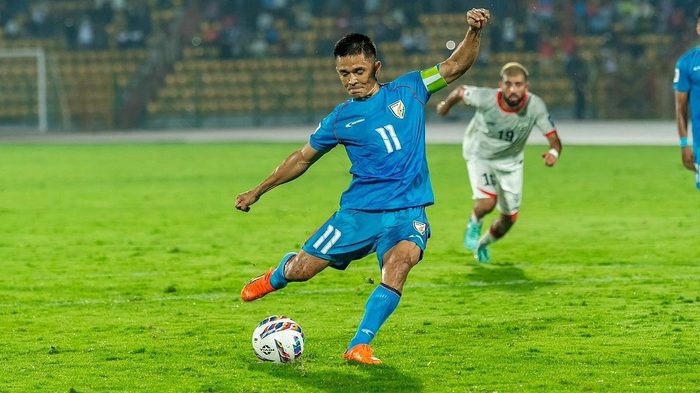
India’s football development has been influenced by several notable players whose achievements inspired younger generations.
Sunil Chhetri
Sunil Chhetri is one of the most recognisable figures in Indian football history.
Known for his goalscoring ability, leadership, and professionalism, Chhetri has played a major role in raising the profile of the national team.
His international achievements helped attract attention to Indian football during a period when cricket dominated most sports coverage.
Beyond goals and appearances, Chhetri’s influence has included encouraging young athletes to pursue professional football careers.
Bhaichung Bhutia
Bhaichung Bhutia was among India’s most influential footballers before Chhetri’s emergence.
His performances for the national team and domestic clubs helped increase football’s popularity.
Bhutia also gained experience playing professionally in England, demonstrating the potential for Indian footballers to pursue opportunities abroad.
Gurpreet Singh Sandhu
Gurpreet Singh Sandhu has been an important figure in Indian goalkeeping.
His experience in European football and international competitions has contributed to his reputation.
Sandhu’s career demonstrates the importance of specialised goalkeeper training and exposure to different football environments.
Sandesh Jhingan
Sandesh Jhingan has been an influential defender for the Indian national team.
Known for his physical presence, defensive awareness, and leadership, Jhingan has contributed to India’s defensive organisation.
Players in defensive positions are particularly important for the development of a competitive national team.
The Next Generation of Indian Footballers
India’s future will depend on producing players who can compete consistently at higher international levels.
Young footballers need access to professional academies, competitive youth leagues, and experienced coaches.
Developing technically skilled midfielders, creative attackers, and reliable defenders will be essential.
For more football news and analysis, visit Dafabet Sports India.
The Role of Grassroots Football Development in India
Grassroots football is one of the most important factors determining the country’s long-term success.
Professional leagues may attract attention, but international competitiveness begins with the development of young players.
School and College Football
Schools and universities introduce many Indian children to football.
Regular competitions allow students to develop teamwork, physical fitness, and fundamental technical skills.
However, access to quality facilities and coaching varies significantly across regions.
Some schools have dedicated football programmes, while others lack suitable playing surfaces or equipment.
Expanding participation opportunities could help identify talented players earlier.
Football Academies
Professional football academies provide structured training programmes for young athletes.
Players learn technical skills, tactical positioning, physical conditioning, and match preparation.
Academies associated with professional clubs can also create pathways into senior football.
However, the quality of coaching and competition is more important than simply increasing the number of academies.
Youth Leagues and Competitive Experience
Young players need regular competitive matches to develop.
Training alone cannot fully replicate the decision-making and pressure experienced during real games.
Age-group leagues allow players to test their abilities against opponents with different strengths.
Consistent competition also helps coaches evaluate progress and identify areas for improvement.
The Importance of Qualified Coaches
Professional coaching is essential for football development.
Coaches must understand technical instruction, physical preparation, tactical systems, and the psychological needs of young athletes.
The All India Football Federation supports coaching education and development programmes.
Expanding access to qualified coaches could improve football standards across the country.
The Growth of Women’s Football in India
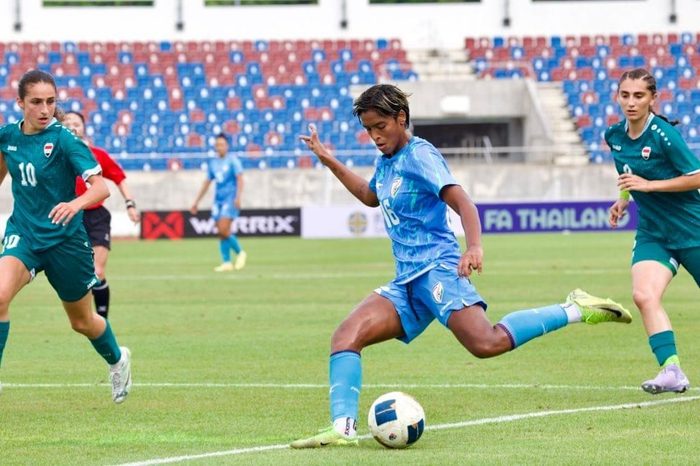
Women’s football represents an important opportunity for the future of Indian sport.
Although the men’s game traditionally received greater attention, women’s football has developed through national competitions, international participation, and growing awareness.
The Indian Women’s National Team
The Indian women’s national team has competed in regional and continental competitions.
Players such as Bala Devi, Ashalata Devi, and Manisha Kalyan have contributed to the development of women’s football.
Their careers demonstrate the opportunities available to talented Indian female athletes.
The Indian Women’s League
The Indian Women’s League provides a domestic competitive platform for women’s football clubs.
The competition creates opportunities for players to gain match experience and pursue professional careers.
However, women’s football still requires greater investment in broadcasting, sponsorship, training facilities, and youth development.
Why Women’s Football Matters
Supporting women’s football expands the country’s talent pool and creates opportunities for more athletes.
Improved participation can also encourage schools and communities to develop girls’ football programmes.
Greater media visibility may attract additional commercial investment and inspire younger players.
The long-term growth of Indian football depends on providing meaningful development opportunities for both men and women.
The Influence of International Football on Indian Fans
International football has played a significant role in expanding India’s football audience.
European competitions attract considerable interest through television, streaming platforms, and social media.
The English Premier League
The English Premier League has developed a substantial following among Indian supporters.
Clubs such as Manchester United, Liverpool, Arsenal, Chelsea, and Manchester City have established recognisable fan communities.
The league’s competitive matches, international stars, and extensive media coverage contribute to its popularity.
UEFA Champions League
The UEFA Champions League attracts fans interested in watching Europe’s leading clubs compete.
Matches involving Real Madrid, Barcelona, Bayern Munich, and other major teams generate discussion among Indian football audiences.
FIFA World Cup
The FIFA World Cup remains one of the most influential football competitions for Indian supporters.
Even without regular participation by the Indian national team, the tournament attracts significant attention.
International stars such as Lionel Messi and Cristiano Ronaldo have also contributed to football’s popularity among younger Indian fans.
Social Media and Digital Broadcasting
Digital platforms have transformed how Indian supporters consume football content.
Fans can watch highlights, follow player interviews, analyse statistics, and participate in online discussions.
This accessibility has helped football reach audiences beyond traditional television broadcasting.
However, international popularity does not automatically translate into domestic development.
Indian clubs must create compelling competitions and stronger local identities to convert general football interest into sustained support for domestic teams.
Challenges Facing Football Development in India
Despite growing interest, Indian football faces several structural challenges.
Limited Football Infrastructure
High-quality football pitches and training facilities remain unevenly distributed.
Young players in some regions have access to modern academies, while others depend on poorly maintained grounds.
Infrastructure development is essential for improving technical skills and reducing injuries.
Financial Sustainability
Professional clubs require reliable financial resources.
Revenue from ticket sales, sponsorships, broadcasting, and commercial activities can be inconsistent.
Financial uncertainty affects player recruitment, coaching appointments, and youth development.
International Competitiveness
India has struggled to establish itself among Asia’s strongest football nations.
Countries such as Japan, South Korea, Australia, and Saudi Arabia benefit from established professional systems and extensive international experience.
Improving India’s competitiveness requires long-term planning rather than relying on short-term results.
Youth Development Gaps
India’s large population offers significant sporting potential, but identifying talented young players remains challenging.
Effective scouting systems, regional academies, and competitive youth leagues could improve the development pathway.
Administrative Stability
Football development also depends on effective governance.
Changes in league structures, scheduling uncertainty, and commercial disputes can affect clubs and players.
In 2026, former Uruguay international Diego Forlán highlighted the importance of stronger academies, competitive leagues, and international exposure for Indian football’s development.
These areas remain essential to creating a sustainable professional football ecosystem.
Indian Football in 2026: Important Developments
The 2026 season represents an important period for Indian football.
The return of a fuller Indian Super League calendar provides an opportunity to strengthen professional competition.
The introduction of a club-led commercial structure may also influence how football clubs manage sponsorships, broadcasting, and long-term investment.
Meanwhile, the Indian Football League, operating below the ISL, is scheduled to begin its 2026–27 season on October 30.
The competition’s governing council reported encouraging broadcast performance during the previous season and confirmed plans to expand its geographic reach.
These developments demonstrate that football’s future depends on creating a connected system of professional, semi-professional, and grassroots competitions.
| Development | Potential Impact |
| ISL commercial restructuring | Greater club involvement in league operations |
| Indian Football League development | More competitive opportunities for domestic players |
| Youth academies | Improved development of emerging talent |
| Women’s football programmes | Increased participation and professional opportunities |
| Digital broadcasting | Wider access to football competitions |
| International exposure | Better preparation against stronger opponents |
Although these initiatives offer opportunities, their success will depend on implementation and long-term financial stability.
Can India Become a Major Football Nation?
India has the potential to improve its position in international football, but becoming a major football nation will require sustained investment.
Population size alone does not guarantee success.
Countries with smaller populations have achieved strong international results through effective youth development, professional coaching, and competitive domestic leagues.
India can learn from these examples.
Building a Stronger Football Pyramid
A connected league system can provide opportunities for clubs at different levels.
Promotion and relegation, where appropriately implemented, can encourage competition and create pathways for ambitious clubs.
Improving Technical Development
Young players need regular opportunities to develop ball control, passing, tactical awareness, and decision-making.
Technical development should begin at an early age and continue through professional training.
Creating International Pathways
Indian players could benefit from opportunities to compete in stronger overseas leagues.
International exposure can improve tactical understanding and prepare athletes for different competitive environments.
Long-Term Planning
Football development requires consistent planning over many years.
Frequent structural changes can undermine progress.
Stable governance, clear development targets, and sustainable investment are essential.
Conclusion
The growth of football in India reflects a combination of historic sporting traditions, passionate supporters, professional competitions, and emerging development opportunities.
From the legendary clubs of Kolkata to the growing football communities of Kerala, Goa, and northeastern India, the sport has established a strong cultural presence.
The Indian Super League has contributed to football’s commercial visibility, while grassroots academies, youth competitions, and women’s football programmes offer opportunities for long-term development.
However, Indian football still faces important challenges involving infrastructure, financial sustainability, administration, and international competitiveness.
Addressing these issues will require cooperation between football authorities, professional clubs, coaches, schools, and private investors.
With consistent planning and stronger development pathways, India has the potential to improve its position in Asian football and create more opportunities for future generations.
For more football news, tournament coverage, and sports analysis, visit Dafabet Sports India.