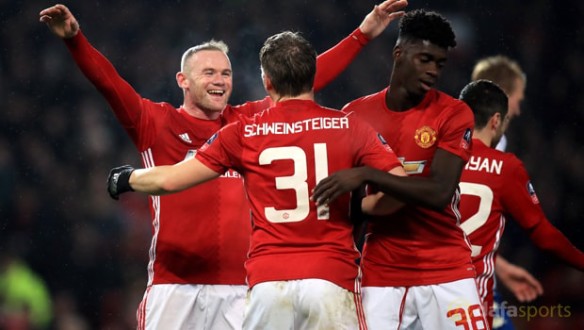
Football is a team sport in which every player has a specific role in helping the team attack, defend, and control the match. While some players focus on scoring goals, others create chances, protect the defence, win possession, or prevent the opposition from scoring. Understanding football positions makes it easier to follow tactical decisions, appreciate individual performances, and understand why managers select particular players for different matches.
A standard football team has 11 players on the pitch, including one goalkeeper and 10 outfield players. These outfield players are usually organised into defenders, midfielders, and forwards. However, their exact responsibilities depend on the formation, playing style, and tactical instructions given by the manager.
For example, a team using a 4-3-3 formation typically has four defenders, three midfielders, and three forwards. A team playing with a 3-5-2 formation uses three centre-backs, five midfielders or wing-backs, and two forwards. Both systems can be effective, but they require different player qualities and tactical approaches.
In this guide, we explain every major football position, what each player does, how formations work, and how different roles influence a team’s performance. We also explore how understanding football positions can help fans analyse matches and evaluate football betting markets, including those available through Dafabet where permitted.
What Are the Main Positions in Football?
Football positions are generally divided into four main categories: goalkeeper, defenders, midfielders, and forwards.
Each category has a different primary responsibility, although modern football requires players to contribute in several areas of the game.
1. Goalkeeper
The goalkeeper is the last line of defence and the only player who can legally handle the ball within their own penalty area, subject to the Laws of the Game.
The goalkeeper’s primary responsibility is to prevent the opposition from scoring. They must react quickly to shots, position themselves correctly, organise the defence, and make decisions when dealing with crosses and through balls.
Main responsibilities:
- Saving shots from close and long range.
- Catching or punching crosses.
- Organising defenders during set pieces.
- Communicating with teammates.
- Distributing the ball accurately to start attacks.
- Sweeping behind the defensive line when required.
Modern goalkeepers are also expected to be comfortable with the ball at their feet. Teams that build attacks from the back often use their goalkeeper as an additional passing option.
A goalkeeper who can make difficult saves and distribute the ball effectively can influence both defensive stability and attacking transitions.
2. Centre-Back
Centre-backs play in the middle of the defensive line, directly in front of the goalkeeper. Most teams use two centre-backs in a four-defender formation, while systems with three central defenders use an additional player in this area.
Their primary task is to prevent opposition forwards from creating or converting scoring opportunities.
Main responsibilities:
- Blocking shots and crosses.
- Winning aerial duels.
- Tackling attackers and intercepting passes.
- Maintaining the defensive line.
- Covering spaces behind full-backs.
- Passing the ball forward to midfielders.
- Defending corners and free kicks.
Centre-backs need strength, positioning, concentration, and good communication. They must also recognise when to challenge an attacker and when to delay the attack while teammates recover.
Some centre-backs specialise in winning physical duels, while others are particularly effective at distributing the ball and breaking opposition lines with accurate passes.
3. Full-Back
Full-backs operate on the left and right sides of a defensive line. They are commonly known as the left-back and right-back.
Their role combines defensive responsibilities with attacking support. They must defend against opposing wingers while providing width when their team has possession.
Main responsibilities:
- Marking opposing wide attackers.
- Blocking crosses and making tackles.
- Supporting attacking moves down the flanks.
- Delivering crosses into the penalty area.
- Combining with wingers and midfielders.
- Recovering quickly after losing possession.
A full-back’s positioning depends on the manager’s tactics. Some remain relatively deep to protect the defence, while others push forward to create overlapping runs.
An overlapping full-back runs beyond a teammate positioned in front of them, offering an additional passing option near the touchline. An underlapping full-back moves into a more central area to create passing lanes or overload the midfield.
4. Wing-Back
Wing-backs combine elements of full-backs and wingers. They usually operate in formations that use three centre-backs, such as 3-5-2 or 3-4-3.
Because wing-backs are responsible for much of the team’s width, they often need exceptional stamina and positional awareness.
Main responsibilities:
- Providing width during attacks.
- Delivering crosses and cutbacks.
- Tracking opposing wingers.
- Helping the midfield maintain numerical balance.
- Recovering quickly to defend counterattacks.
- Supporting transitions between defence and attack.
Wing-backs often cover more ground than players in other positions because they repeatedly move between attacking and defensive areas.
Their effectiveness can influence how a team creates chances, controls the flanks, and defends against wide attacks.
Midfield Positions Explained
Midfielders connect the defence with the attack. They help teams retain possession, control the tempo, create chances, and win the ball back.
The midfield is one of the most tactically flexible areas of football. A player may be responsible for protecting the defence in one phase and supporting an attack in the next.
5. Defensive Midfielder
A defensive midfielder usually operates in front of the centre-backs. The position is often associated with the number 6 role.
The defensive midfielder helps protect the back line, recover possession, and prevent opposition attackers from finding space between the defence and midfield.
Main responsibilities:
- Intercepting passes.
- Tackling and recovering possession.
- Screening the defence.
- Supporting centre-backs during build-up.
- Distributing the ball to more advanced teammates.
- Maintaining positional discipline during counterattacks.
Some defensive midfielders focus primarily on winning the ball, while others specialise in passing and controlling the rhythm of the match.
A player in this position must understand when to press an opponent and when to remain in position to prevent a dangerous forward pass.
Defensive midfielders can be particularly important against teams that attack through central areas or use creative players between the lines.
6. Central Midfielder
Central midfielders operate in the middle of the pitch and often contribute to nearly every phase of play.
Their responsibilities depend on the team’s formation and tactical style. Some focus on possession and passing, while others make forward runs, press opponents, or help protect the defence.
Main responsibilities:
- Connecting defenders with attackers.
- Maintaining possession.
- Distributing short and long passes.
- Supporting defensive transitions.
- Pressing opposition midfielders.
- Making forward runs into attacking spaces.
- Helping control the match’s tempo.
Central midfielders need stamina, awareness, technical ability, and decision-making skills.
A team with effective central midfielders can often control possession and create better opportunities to progress the ball into attacking areas.
7. Box-to-Box Midfielder
A box-to-box midfielder contributes in both penalty areas. The term describes a player who regularly moves between defensive and attacking duties rather than remaining in one specific zone.
These players often cover significant distances and need a combination of physical fitness, technical ability, and tactical intelligence.
Main responsibilities:
- Winning possession in midfield.
- Supporting defensive recovery.
- Carrying the ball forward.
- Arriving late in the opposition penalty area.
- Taking shots from outside the box.
- Supporting teammates during counterattacks.
Box-to-box midfielders can be valuable because they offer energy and movement throughout the match. However, their forward runs must be coordinated with teammates so that the team does not leave dangerous spaces open behind them.
8. Attacking Midfielder
The attacking midfielder operates between the central midfield and forward lines. This role is often associated with the number 10 position.
Attacking midfielders are responsible for creating opportunities, finding space between the opposition’s defensive and midfield lines, and supplying forwards with accurate passes.
Main responsibilities:
- Creating goal-scoring chances.
- Delivering through balls.
- Linking midfielders with forwards.
- Finding pockets of space near the penalty area.
- Taking shots from distance.
- Pressing opposition midfielders when required.
Attacking midfielders often rely on vision, close control, creativity, and quick decision-making.
A technically gifted number 10 can help unlock a compact defence by finding passing routes that other players may not see.
Some attacking midfielders also contribute heavily to scoring, while others focus primarily on creating chances for teammates.
Wide Attacking Positions
Wide attackers operate on the flanks and use speed, dribbling, movement, and crossing to create attacking opportunities.
Although the terms winger and wide forward are sometimes used interchangeably, their responsibilities can vary depending on the formation.
9. Winger
Wingers typically operate on the left or right side of the attacking line. Their main job is to stretch the opposition defence and create opportunities through wide areas.
Main responsibilities:
- Beating defenders in one-on-one situations.
- Delivering crosses into the penalty area.
- Creating chances for central attackers.
- Cutting inside to shoot or pass.
- Making runs behind the defensive line.
- Pressing opposing full-backs.
A traditional winger often stays close to the touchline to provide width. This can create space for teammates in central areas.
Other wingers prefer to move inside, allowing an overlapping full-back to use the outside channel.
The best approach depends on the player’s strongest foot, technical skills, and the team’s attacking structure.
10. Inside Forward
An inside forward starts in a wide attacking position but frequently moves into central areas to create or score goals.
For example, a right-footed player operating on the left may cut inside to shoot with their stronger foot. This movement can also create space for a full-back to overlap.
Main responsibilities:
- Cutting inside to take shots.
- Attacking spaces between defenders.
- Making diagonal runs into the penalty area.
- Combining with central midfielders.
- Creating opportunities for the striker.
- Pressing opposition defenders.
Inside forwards often contribute directly to goals through both scoring and assisting.
Their movement can make them difficult to mark because they threaten defenders from several angles rather than remaining in a fixed wide position.
11. Second Striker
A second striker plays close to the main centre-forward but often operates in slightly deeper or wider areas.
The role combines aspects of a forward and an attacking midfielder. A second striker may create chances, link attacks, and arrive in scoring positions.
Main responsibilities:
- Supporting the main striker.
- Finding space around opposition centre-backs.
- Creating chances through passes and movement.
- Making late runs into the penalty area.
- Scoring from rebounds and loose balls.
- Pressing defenders during build-up.
A second striker can be particularly useful when a team wants two attacking players to combine centrally without using two traditional centre-forwards.
Forward Positions Explained
Forwards are primarily responsible for scoring goals and creating direct threats in the opposition penalty area. However, modern forwards also press defenders, link play, and create space for teammates.
12. Centre-Forward
The centre-forward usually operates in the central attacking area and is often the main reference point for the team’s attacking play.
Depending on the player’s style, they may focus on finishing chances, holding up the ball, winning aerial duels, or creating space for other attackers.
Main responsibilities:
- Scoring goals.
- Taking shots inside the penalty area.
- Attacking crosses.
- Holding up the ball under pressure.
- Linking with attacking midfielders.
- Making runs behind the defence.
- Pressing opposing centre-backs.
Centre-forwards come in different styles. A target forward uses strength and aerial ability to hold the ball and compete for crosses. A mobile forward relies more on movement, pace, and runs into space.
A complete centre-forward may combine several of these qualities.
13. Striker
The terms striker and centre-forward are frequently used to describe the main goal-scoring attacker. In some tactical systems, however, a striker may have a more specific role focused on finishing moves.
Strikers look for opportunities to get into dangerous positions, anticipate passes, and convert chances into goals.
Main responsibilities:
- Finishing chances with both feet and the head.
- Timing runs to beat defenders.
- Finding space inside the penalty area.
- Attacking crosses and cutbacks.
- Pressing defenders when required.
- Reacting quickly to rebounds.
An effective striker does not need to touch the ball frequently throughout the match. Intelligent movement and efficient finishing can be just as important as possession.
14. False Nine
A false nine is a forward who regularly drops deeper into midfield instead of remaining close to the opposition centre-backs.
This movement can create confusion for defenders. If a centre-back follows the false nine, space may open behind them for wingers or midfielders to attack. If the defender stays in position, the false nine may receive the ball in space.
Main responsibilities:
- Linking midfield and attack.
- Creating numerical advantages in central areas.
- Drawing defenders out of position.
- Supplying passes to advancing teammates.
- Creating scoring opportunities.
- Arriving in the penalty area at the right moment.
The false nine role requires excellent technical ability, awareness, and coordination with teammates.
It is particularly effective when wide attackers make intelligent runs into the spaces created by the forward’s movement.
What Do the Different Shirt Numbers Mean?
Traditional football shirt numbers are often associated with particular positions. Although modern football allows considerable variation, these numbers remain useful when discussing player roles.
| Shirt number | Traditional position | Main responsibility |
| 1 | Goalkeeper | Prevent goals |
| 2 | Right-back | Defend and support attacks on the right |
| 3 | Left-back | Defend and support attacks on the left |
| 4 | Centre-back or defensive midfielder | Protect the defence |
| 5 | Centre-back | Defend the central area |
| 6 | Defensive midfielder or centre-back | Recover possession and maintain defensive balance |
| 7 | Winger or wide forward | Create chances and score |
| 8 | Central midfielder | Link defence and attack |
| 9 | Striker | Lead the attack and score goals |
| 10 | Attacking midfielder or creative forward | Create chances and influence attacks |
| 11 | Winger or wide forward | Attack from wide areas |
These associations are traditional rather than mandatory. Shirt numbers can differ between teams, leagues, and players, and a player’s number does not determine their tactical role.
How Football Formations Influence Player Positions
A formation describes how a team arranges its players on the pitch. Formations are usually written using the number of defenders, midfielders, and forwards, excluding the goalkeeper.
The formation can change during a match depending on whether the team is attacking, defending, or transitioning between the two.
The 4-4-2 Formation
The 4-4-2 formation uses four defenders, four midfielders, and two forwards.
Its main characteristics include:
- Two banks of players that can defend compactly.
- Two forwards who can combine in attack.
- Natural width from the wide midfielders.
- Clear responsibilities across the pitch.
The formation can be effective for teams that want a straightforward structure and two players near the opposition goal.
However, it may face challenges against teams that use three central midfielders and attempt to dominate possession.
The 4-3-3 Formation
The 4-3-3 formation consists of four defenders, three midfielders, and three forwards.
It can provide a strong balance between possession, pressing, and attacking width.
The front three may include a centre-forward and two wingers or inside forwards. The midfield trio often combines a defensive midfielder with two more advanced central midfielders.
This formation can support aggressive pressing and quick transitions, although its success depends on how well the players coordinate their movements.
The 4-2-3-1 Formation
The 4-2-3-1 formation uses four defenders, two deeper midfielders, three attacking midfielders or wide attackers, and one main forward.
The two deeper midfielders help protect the defence and distribute the ball, while the three advanced players support the striker.
This system can provide defensive stability and creative options between the lines.
Its effectiveness often depends on the relationship between the defensive midfielders, attacking midfielder, and wide forwards.
The 3-5-2 Formation
The 3-5-2 formation uses three centre-backs, wing-backs, a midfield unit, and two forwards.
The wing-backs provide width, while the two forwards can combine to create scoring opportunities.
This formation can be effective against teams that defend with two central defenders because it gives the attacking side multiple options in central areas.
However, the wing-backs must work hard to defend the flanks and support attacks.
The 5-3-2 Formation
The 5-3-2 formation typically uses five defenders, three central midfielders, and two forwards.
It can provide a compact defensive structure and opportunities to counterattack after winning possession.
The wing-backs may drop deeper to form a back five when defending, then advance when the team regains the ball.
This system can be useful against stronger opponents, although a team may need to find ways to maintain attacking pressure and avoid becoming too passive.
How Player Positions Work Together
Football positions are connected. A player’s effectiveness often depends on the movements and decisions of teammates.
Goalkeeper and Defence
The goalkeeper communicates with defenders, organises the defensive line, and may help start attacks with short passes or longer distribution.
Centre-backs protect central areas, while full-backs cover wide channels. Their coordination determines how effectively the team deals with crosses, through balls, and counterattacks.
Defence and Midfield
Defensive midfielders help protect centre-backs by occupying dangerous central spaces and intercepting passes.
Central midfielders provide passing options and help move the ball forward. Without this connection, defenders may struggle to progress possession under pressure.
Midfield and Attack
Attacking midfielders and central midfielders supply forwards with passes, while wingers stretch the defence and create space.
Strikers must understand when to make runs behind defenders, drop deeper, or move into the penalty area to meet crosses.
Pressing and Defensive Transitions
When a team loses possession, players must react quickly. Forwards may press the nearest defenders, midfielders cover passing lanes, and defenders move into positions that limit counterattacking opportunities.
The success of this transition depends on teamwork rather than any single position.
Which Football Position Is the Most Important?
There is no universally most important football position. Different roles become more influential depending on the team’s style, the opposition, and the situation in a match.
A goalkeeper may be decisive when making several important saves. A centre-back can protect a narrow lead, while a defensive midfielder may control the space in front of the defence. An attacking midfielder might create the decisive chance, and a striker may score the winning goal.
The importance of a position also changes with tactical requirements.
For example, a team that dominates possession may rely heavily on its midfielders to control the match. A team that plays direct football may depend more on its centre-forward to hold the ball and bring teammates into play.
Successful teams generally need a balanced combination of players rather than relying entirely on one position.
How Football Positions Affect Match Statistics
Understanding positions helps fans interpret football statistics more accurately.
Goals and Assists
Strikers and attacking forwards often score the most goals, but midfielders and defenders can also contribute through long-range shots, set pieces, and late runs into the penalty area.
Assists are frequently recorded for creative midfielders and wingers, although other players can create goal-scoring opportunities too.
Tackles and Interceptions
Defenders and defensive midfielders commonly record tackles and interceptions because their roles involve winning possession and stopping attacks.
However, high tackle numbers do not automatically indicate excellent defending. Positioning and anticipation can help players prevent attacks without needing to make a tackle.
Passes and Possession
Central midfielders often complete many passes because they operate in areas that connect defence and attack.
Centre-backs may also record high passing totals when their team builds attacks from the back. The meaning of a player’s passing statistics depends on the tactical system and the difficulty of their passes.
Shots and Chances Created
Strikers and inside forwards frequently take shots, while attacking midfielders and wingers often create opportunities.
These patterns are not universal. A midfielder may become a major goal threat if the manager encourages late runs into the penalty area.
Defensive Work Rate
Full-backs and wing-backs often cover large distances because they must support attacks and recover defensively.
Central midfielders may also cover substantial ground while pressing, tracking runners, and supporting teammates.
Statistics become more useful when interpreted alongside the player’s position, tactical responsibilities, and match context.
How Understanding Football Positions Can Help With Betting Analysis
Football positions can help fans understand match dynamics and evaluate statistics used in football betting markets. However, knowing a team’s formation or identifying its star striker is not enough to predict the outcome of a match.
A thoughtful analysis considers how the players are likely to perform their roles, whether the starting lineup is confirmed, and how the teams’ tactical approaches compare.
Match-Winner Markets
When analysing a match-winner market, consider whether the team has the players needed to execute its strategy.
For example, a team with strong central midfielders may be well suited to controlling possession, while a side with quick wingers and a mobile striker may be more dangerous on counterattacks.
These tactical advantages do not guarantee a victory. Finishing, defensive errors, injuries, and other unpredictable events can influence the result.
Goals and Over/Under Markets
The positions of attacking players can help explain how teams create scoring chances.
A side with aggressive wingers, an attacking midfielder, and a mobile centre-forward may create several different types of chances. Meanwhile, a team with a more defensive midfield structure may prioritise control and limit space for the opposition.
When assessing a goals market, also consider recent scoring records, the quality of the opposition, player availability, and the likely game plan.
Both Teams to Score
This market concerns whether both teams will score at least one goal.
The attacking quality of each side is relevant, but defensive positioning matters too. Full-backs who push high can create attacking advantages while leaving space for counterattacks. A team with an effective defensive midfielder may be better equipped to protect the central areas.
Nevertheless, tactical analysis cannot guarantee that either side will score.
Player Performance Markets
Some football betting markets focus on individual performances, such as goalscorers, assists, or selected player statistics, depending on the bookmaker’s offering.
A striker’s starting position, expected minutes, penalty-taking duties, and the quality of the chances created by teammates can all be relevant.
Similarly, a defensive midfielder may be more involved in tackles or interceptions than an advanced attacker, but actual statistics depend on the match and the player’s specific instructions.
Always check the exact market definition and settlement rules before making a selection.
Exploring Football Betting Markets on Dafabet
Dafabet is a sports betting brand associated with football and other sports. Depending on the competition, jurisdiction, and current offering, its football section may include markets related to match outcomes, goals, handicaps, and individual player performances.
For fans who already follow football tactics, understanding player positions can add useful context when reviewing available markets.
Football Markets to Understand
Depending on availability, football markets may include:
- Match result: Predict a home win, draw, or away win.
- Over/under goals: Predict whether the total goals will be above or below a specified line.
- Both teams to score: Predict whether both teams will score at least once.
- Handicap markets: Assess a result after applying a specified handicap.
- Correct score: Predict the exact final score.
- Player markets: Select outcomes related to particular players, where offered.
Market availability and rules vary by event and jurisdiction.
Use Tactical Knowledge to Evaluate Matches
Before exploring a football market on Dafabet, where available and legally permitted, consider the likely starting formations and the roles of key players.
Ask whether a team has a natural defensive midfielder to protect its centre-backs, whether its full-backs can handle opposing wingers, and whether its forwards are suited to the expected style of play.
You can then compare these observations with recent performances, injuries, confirmed lineups, and the market’s terms.
For example, if a team relies heavily on overlapping full-backs, it may create more width in attack but also leave spaces that opponents can target. Whether that tactical pattern matters for a particular market depends on the matchup and the available evidence.
The purpose of analysis is to understand the possibilities, not to assume that a tactical advantage guarantees a profitable result.
Responsible Betting
Football betting involves financial risk, and no formation, player statistic, or prediction method can guarantee a winning outcome.
If you choose to use Dafabet or another betting service, set a budget you can afford to lose, avoid chasing losses, and treat betting as entertainment rather than a source of income. Check the applicable local laws, age restrictions, and operator terms before participating.
Common Misconceptions About Football Positions
Every Striker Must Score Goals
Scoring is an important responsibility for many strikers, but some forwards also create space, press defenders, and help teammates score.
A forward who consistently creates opportunities may contribute significantly even when they do not score in a particular match.
Defenders Only Defend
Modern defenders often play an important role in building attacks. Full-backs can provide width, centre-backs can break opposition lines with passes, and some defenders move into midfield during possession.
Midfielders All Have the Same Role
Central midfielders, defensive midfielders, and attacking midfielders perform different tasks. Some focus on winning possession, others control the tempo, and others concentrate on creating chances.
Many players combine several responsibilities, but their main roles depend on the team’s tactical approach.
Shirt Numbers Always Identify Positions
Traditional shirt numbers are associated with certain roles, but players can wear different numbers. A number 10 is not always an attacking midfielder, and a number 9 is not always the team’s only striker.
The actual position depends on the formation and the player’s instructions.
A Formation Never Changes During a Match
Teams frequently change their shape during a game. A 4-3-3 formation may become a 4-5-1 when defending, while a team using three centre-backs may form a back five when the opposition attacks.
Formations are starting structures rather than fixed arrangements that remain unchanged throughout the match.
Conclusion
Football positions explain how players contribute to a team’s overall strategy. Goalkeepers prevent goals, defenders protect dangerous areas, midfielders connect the different phases of play, and forwards create and convert scoring opportunities.
Within these broad categories, specialised roles such as defensive midfielders, wing-backs, inside forwards, false nines, and box-to-box midfielders allow managers to develop different tactical approaches.
Understanding these roles makes football easier to analyse. It helps fans recognise why certain players are selected, how formations change during a match, and why a team’s strengths and weaknesses depend on more than individual talent.
This knowledge can also provide context when examining football statistics and betting markets through Dafabet, where available and legally permitted. However, football remains unpredictable, and tactical knowledge cannot guarantee match results or betting success.
By learning the responsibilities of every position, fans can develop a deeper appreciation of the tactical decisions that shape the game.