
The Indian Premier League always brings one big question with it: who’s going to win it all? Every season, fans start forming opinions early, backing their teams, debating contenders, and changing their predictions after almost every match. That uncertainty is exactly what makes the conversation so engaging.

In IPL 2026, this discussion has naturally extended to social media, where polls have become one of the easiest ways to involve fans in real time. A simple question like “Who will win IPL 2026?” can spark debates, encourage interaction, and keep audiences coming back to share their views. It’s less about finding the correct answer and more about creating a space where opinions can evolve throughout the season.
With that in mind, prediction-based polls are no longer just quick engagement tools. They can help brands, publishers, and sports pages boost interaction, understand fan sentiment, and turn one recurring question into a stream of interactive content across multiple platforms.
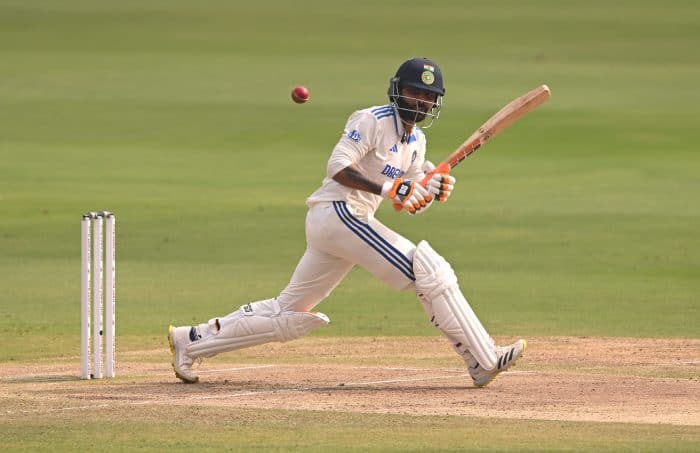
Why IPL Winner Predictions Drive Engagement
At the heart of IPL engagement is emotional investment. Fans do not simply watch matches; they identify with teams, players, and rivalries, which makes every prediction feel personal. When someone votes in a poll or comments on a likely winner, they are not only sharing an opinion but also expressing loyalty and confidence in their side.
That emotional element naturally leads to conversation. Because the IPL thrives on fierce rivalries and rapidly changing momentum, prediction polls often become the starting point for larger discussions. Fans compare squads, debate consistency, argue over recent form, and defend their choices with passion. As a result, even a simple poll can create a lively exchange that lasts well beyond the initial vote.
Ease of participation also plays a major role here. Polls ask for very little effort, yet they offer instant gratification through visible results. Audiences enjoy seeing how their views compare with those of other fans, especially when the outcome is close or surprising.
Taken together, these factors create a continuous loop of interaction. A single question about the likely winner can lead to votes, comments, reactions, and follow-up discussions, helping content remain relevant throughout the season while keeping audiences consistently involved.
Top Contenders for IPL 2026 Title
Once fan interest is activated, the next natural step is looking at the teams most likely to justify the hype. Several sides have positioned themselves as strong contenders in the Indian Premier League 2026 season, with squad depth, recent performances, and tactical balance shaping early expectations.
Mumbai Indians and Chennai Super Kings continue to attract attention because of their experience and proven ability to handle pressure. Their squads often feature a blend of established stars and valuable role players, which becomes especially important in close contests and high-stakes moments.
Royal Challengers Bengaluru also remain firmly in the conversation. Their batting strength makes them a constant threat, while improvements in balance across departments have strengthened the belief that they can sustain a serious title challenge. At the same time, teams such as Rajasthan Royals and Gujarat Titans bring a different kind of appeal, relying on flexibility, younger talent, and adaptable strategies that suit the unpredictable nature of T20 cricket.
Still, narrowing the title race to only a few names can be misleading. Form shifts quickly in this format, and a short winning or losing streak can completely alter the landscape. Injuries, pitch conditions, and individual player rhythm all have the power to reshape expectations within a matter of days.
For that reason, the current picture feels more competitive than definitive. Rather than pointing to one obvious favorite, IPL 2026 appears to feature a field in which several teams have a realistic chance of reaching the final stages and lifting the trophy.
Key Factors That Influence IPL Winners
Because the list of contenders remains open, it becomes important to look at what usually separates title winners from the rest. Winning the Indian Premier League is rarely about one dominant strength alone. More often, successful teams combine consistency, adaptability, and depth across every phase of the game.
Squad balance is one of the biggest factors. Teams need enough batting stability to recover from difficult starts, enough power to accelerate, and enough bowling variety to respond to different conditions. Sides that rely too heavily on one department or a few standout individuals often struggle when pressure builds.
Equally important is player form. A batter in rhythm or a bowler hitting the right lengths at the right time can influence several matches in a row. On the other hand, a dip in form or a key injury can disrupt momentum very quickly, especially in a demanding tournament schedule where recovery time is limited.
Conditions also matter far more than casual predictions sometimes suggest. Different pitches reward different approaches, and teams that adjust well tend to stay competitive longer. This might mean changing bowling combinations, altering the batting order, or adapting tactics depending on venue and opposition.
On top of that, captaincy often becomes the deciding factor in close games. Bowling changes, field placements, matchup awareness, and calm decision-making under pressure can swing results in narrow contests. Over a full IPL season, those details frequently make the difference between a good team and a championship-winning one.
How to Structure “Who Will Win IPL 2026?” Polls
Once those competitive dynamics are understood, structuring the poll itself becomes much easier. Effective “Who Will Win IPL 2026?” polls do not need to be complicated. In fact, simplicity is usually what drives the strongest response.
A good poll starts with a clear, direct question that fans can answer instantly. The wording should be easy to understand, especially on fast-moving social platforms where hesitation often leads to drop-off. The goal is to make participation feel natural and immediate.
The number of options matters just as much. Too many choices can dilute engagement, while too few may feel overly restrictive. In most cases, featuring three or four strong options works best, especially when the poll is tied to realistic contenders or a relevant stage of the tournament.
Timing should also guide the structure. Polls tend to perform better before major matches, during a team’s winning streak, after a dramatic upset, or in the lead-up to the playoffs. These are the moments when fan opinion is already active, making interaction more likely.
Consistency adds another layer of value. Repeating similar polls at different moments in the season allows you to track how sentiment changes over time, which can later be turned into additional content or deeper analysis.
Key elements of a strong poll include:
- A clear and direct question, such as “Who will win IPL 2026?”
- Three to four strong team options to keep the choice focused
- Timing that matches high-interest moments in the season
- Neutral wording that does not push voters toward one answer
- Visual support, including logos or team colors, to make the poll more engaging
- Follow-up content that builds on the results and keeps the discussion going
When these elements come together, the poll stops being a throwaway interaction and starts functioning as a recurring content format that grows alongside the tournament.
Best Poll Ideas for Social Media
After the structure is in place, the next priority is keeping the format fresh. The most effective poll ideas are usually the ones that feel timely, relevant, and closely connected to what fans are already discussing.
Prediction-based polls remain the most obvious and often the most effective option. Questions like “Who will win IPL 2026?” or “Which team is most likely to reach the final?” encourage people to take a stand. They work particularly well because they tap into loyalty, optimism, and rivalry at the same time.
However, relying on one type of question throughout the season can make the content feel repetitive. That is why performance-based polls are also useful, especially immediately after matches. Fresh reactions tend to generate higher engagement, as fans are already processing what they have just watched.
Comparison polls can be even stronger in certain contexts. Asking fans to choose between the best batting lineup, the most reliable bowling attack, or the smarter captaincy setup introduces a more specific debate. This often increases interaction because supporters feel compelled to justify their choices.
Another way to add variety is by focusing on surprise narratives. Polls about dark horses, breakout teams, or unexpected finalists help expand the conversation beyond the usual favorites and keep the content from becoming predictable.
Some effective poll ideas include:
- “Who will win IPL 2026?”
- “Which team looks strongest right now?”
- “Who is the biggest title contender?”
- “Which team has the best batting lineup?”
- “Which team has the most reliable bowling attack?”
- “Who is the dark horse this season?”
- “Which team is most likely to surprise everyone?”
Using a mix of these approaches helps maintain audience interest and makes the overall content strategy feel more dynamic throughout the tournament.
Platform-Specific Poll Strategies
Even the strongest poll idea can underperform if it is used the same way everywhere. Different platforms reward different forms of interaction, so adapting the presentation is essential if you want the content to feel native rather than repetitive.
Instagram is best suited to fast, visually driven polls. Story polls tend to work particularly well because they are easy to answer and easy to pair with team logos, match visuals, or short prompts. On this platform, brevity is a strength. The question should be instantly clear, and the design should support quick participation.
Twitter/X works differently because it is built around public conversation. Polls here benefit from a more opinionated or debate-friendly angle. Questions that invite disagreement, comparisons, or strong takes are more likely to generate replies and reposts, which extends reach beyond the vote count itself.
YouTube Community polls often reach a more committed audience. People engaging there are usually already invested in cricket-related content, so broader questions about the season, title race, or team momentum can perform well. This makes the platform particularly useful for polls that are tied to long-term narratives rather than only short-term reactions.
In each case, the core idea may stay the same, but tone, visuals, and framing should shift slightly to suit user behavior. A strategy that remains consistent in theme while flexible in execution is far more likely to keep engagement steady throughout IPL 2026.
Using Poll Results to Create More Content
The value of a poll does not end when voting closes. In fact, the results often provide the most useful material for what comes next. Treating polls as part of a larger content cycle makes them far more effective than using them as isolated posts.
One straightforward option is to turn the outcome into a follow-up post. Sharing percentages, spotlighting close results, or emphasizing an unexpected winner gives audiences another reason to react. This is especially effective when public opinion changes from week to week, because it creates an evolving narrative around the season.
Poll results can also serve as conversation starters. If one team receives overwhelming support, that opens the door to content asking whether the confidence is justified. If opinions are split, the result itself becomes a reason for comparison and debate. Either way, the poll creates a bridge into the next post.
Another useful approach is to connect fan sentiment with actual match developments. If a team that dominated the vote goes on to lose convincingly, that contrast becomes a strong editorial angle. Revisiting earlier predictions after real outcomes helps make the content feel responsive and alive.
Over time, this creates a much smoother content flow. Polls lead to analysis, analysis leads to reactions, and reactions lead to new polls. Instead of producing disconnected posts, you build a continuous engagement loop that encourages audiences to return throughout the tournament.
Common Mistakes to Avoid in Polls
Of course, strong engagement depends just as much on avoiding bad habits as it does on using smart ideas. Polls are simple by design, but a few common mistakes can quickly weaken their impact.
One frequent problem is overcomplication. If a poll takes too long to read or understand, many users will skip it entirely. This is especially true on platforms where attention spans are short and content moves quickly. Clear wording is essential.
Biased phrasing is another issue. When a question seems to push users toward one answer, the poll loses credibility. The goal should be to reflect fan sentiment, not to steer it. Neutral wording helps keep the interaction authentic and the results more meaningful.
Timing also affects performance. Posting a poll when there is little context, no major match buildup, or limited audience interest can reduce participation significantly. In contrast, polls tied to active storylines or major fixtures tend to feel more relevant and timely.
Another mistake is failing to build on the result. Polls that appear randomly and then disappear without follow-up usually have a shorter lifespan. When they are part of a larger strategy, their impact becomes much more sustainable.
Some common mistakes to avoid include:
- Including too many options, which makes the poll harder to process
- Using unclear, vague, or overly complex wording
- Framing the question in a leading or biased way
- Posting at moments when fan interest is relatively low
- Ignoring the results instead of using them for follow-up content
- Repeating the same poll structure too often without variation
- Using the same style across all platforms without adaptation
Keeping polls simple, well-timed, and connected to broader tournament conversations makes them more effective and much easier for audiences to engage with repeatedly.
Conclusion
Ultimately, polls built around the question “Who Will Win IPL 2026?” offer a simple yet highly effective way to keep audiences engaged throughout the Indian Premier League season. They invite fans to express opinions, react to changing results, and stay involved as the tournament develops from one stage to the next.
Their real value lies not in prediction accuracy, but in their ability to generate continuous interaction. When used thoughtfully, polls help shape an ongoing narrative around title contenders, team momentum, and shifting fan confidence. Rather than functioning as one-off posts, they become part of a broader content ecosystem.
That is why structure, timing, and follow-up matter so much. A well-placed poll can do more than produce a set of votes; it can fuel debate, inspire additional posts, and keep engagement moving across platforms. As IPL 2026 progresses, adapting the format to match the moment will help content stay relevant, conversational, and effective from the opening match all the way to the final.
If you want, I can also make this even more polished in a more distinctly editorial style, with sharper transitions and less repetition throughout.